Blog
What Happens When a Gas Appliance Has a Dangerous Fault?
Why a dangerous gas fault needs immediate attention
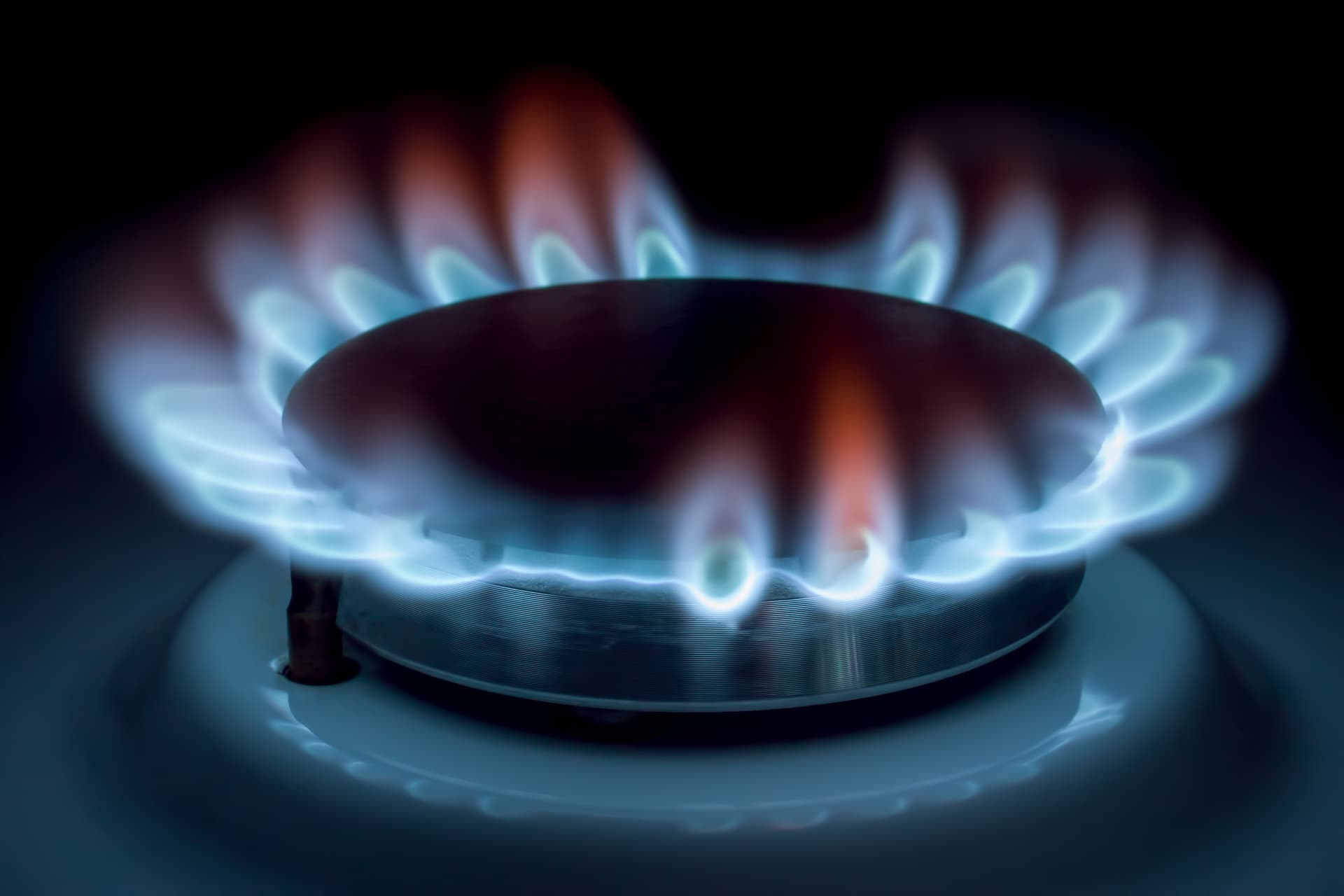
A gas appliance can continue to produce heat while operating unsafely. That is what makes some faults difficult to judge from the outside. The boiler may still fire, the cooker may still work and the fire may still appear to burn normally, yet the combustion process, flue system or safety controls may no longer be doing their job properly.
When we carry out Gas services, we are looking for the reason an appliance could be unsafe, not simply whether it switches on. The important question is whether the gas is burning correctly and whether the fumes produced by burning it are leaving the property safely.
What can make a gas appliance dangerous?
Incomplete combustion and carbon monoxide
Gas needs the correct mixture of fuel and air to burn cleanly. If the appliance is starved of air, contaminated, incorrectly adjusted or damaged, combustion can become incomplete. This can produce carbon monoxide, a poisonous gas that cannot be seen or smelled.
The risk is not limited to an obvious breakdown. A partly blocked burner, damaged seal or problem with the air entering the appliance can affect how the gas burns, even while the appliance continues to run. This is why unusual smells are not the only warning sign, and why carbon monoxide cannot be ruled out simply because nobody has noticed an odour.
Signs such as soot, staining around an appliance, repeated pilot failure or unexplained changes in the flame should be treated seriously. These symptoms do not prove a particular fault, but they indicate that continued use needs professional assessment.
Flue problems and fumes entering the room
The flue, which is the pipe that carries fumes outside, takes gases produced by burning away from the appliance. If it is obstructed, damaged, poorly sealed or affected by a connection problem, those gases may not discharge as intended. They can spill into the room or fail to move through the flue with the necessary flow.
Flue faults can be especially difficult to identify because much of the system may be hidden, boxed in or positioned outside the main living space. An appliance casing can look intact while the route behind it has deteriorated. The flue, its joints and the surrounding installation therefore need to be considered together rather than inspected as separate cosmetic parts.
Gas escapes and failed connections
A gas escape can arise from pipework, a connection, a valve or the appliance itself. Gas entering a room creates a different danger from carbon monoxide because the immediate concern is the presence of unburnt gas and the possibility of ignition.
If you smell gas, do not try to locate the leak yourself or dismantle the appliance. Avoid operating switches or creating a flame, move away from the suspected area and seek emergency gas assistance. A qualified engineer is needed to establish where the escape is coming from and whether the installation can safely remain in service.
Safety controls that no longer protect you
Gas appliances include controls designed to shut the appliance down when operating conditions become unsafe. A fault with a sensor, valve, thermostat or associated control may prevent that protection from working as intended. Repeated resets can hide the underlying problem rather than solve it.
An appliance that repeatedly locks out, cuts out or needs restarting is giving you useful information. The shutdown may mean that the appliance has detected an unsafe condition and switched itself off. Resetting it again and again can allow the original fault to continue without understanding why it occurred.
What happens if the fault is ignored?
The consequences depend on the failure, but they can include exposure to combustion products, an unsafe concentration of gas, damage to the appliance and deterioration of connected components. A fault can also turn a straightforward repair into more disruptive work if it affects seals, controls, flue components or the surrounding installation.
Using an appliance after a warning sign also makes diagnosis harder. Intermittent faults can disappear by the time someone attends, while repeated operation may create additional symptoms. Telling us exactly what you noticed, when it happened and whether the appliance was running at the time can help the assessment begin with better information.
What you should do before an engineer attends
If an appliance is producing soot, behaving unusually, repeatedly shutting down or suspected of releasing combustion gases, stop using it and keep people away from the area until it has been assessed. Do not remove covers, adjust gas settings or attempt a repair yourself. Those actions can create further risk and may remove useful evidence of the original fault.
For a suspected gas escape or immediate danger, move to a safe location and contact the relevant emergency gas service. Do not return to use the appliance simply because the smell has faded. Gas can disperse, while the underlying defect remains.
When we attend, our Gas Safe registered engineers assess the appliance, its flue and the installation around it. The aim is to identify the mechanism behind the fault and explain what needs to happen next. Remedial work may involve repair, replacement of a defective component or further investigation where the cause is not immediately visible.
Get a suspected gas fault checked properly
A gas appliance that still operates is not necessarily a safe appliance. If you have noticed unusual combustion, repeated shutdowns, staining, a gas smell or any concern about a flue, contact Water Boy Plumbing in Wigston. We provide gas services for homeowners and landlords across Wigston, Leicester and Leicestershire, with advice based on the condition of the actual installation.
Other Articles